Barcelona Faces Setback as Real Madrid Claims Victory
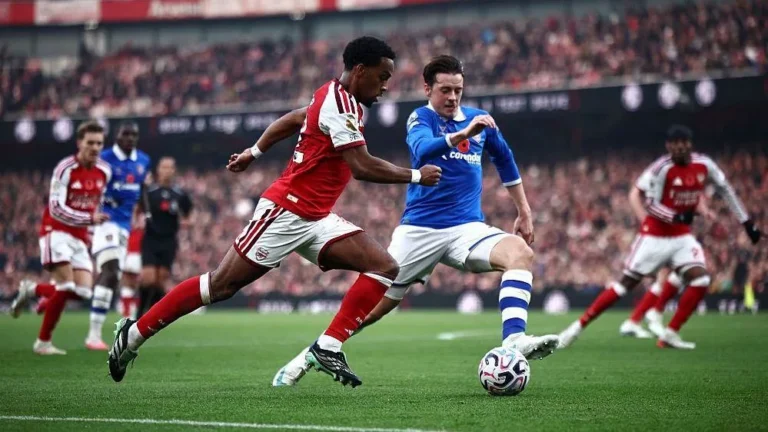
Barcelona entered Sunday’s Clasico with an impressive streak of nine consecutive victories in La Liga, standing six points ahead of rivals Real Madrid. However, the match concluded with a 2-1 defeat at Spotify Camp Nou, reducing their lead to just three points as Kylian Mbappe scored twice for Madrid.
The loss marked a stark reminder of the relentless nature of competition in football, akin to the Red Queen hypothesis in evolutionary biology, which suggests that progress does not guarantee an advantage if others are also improving. While Barcelona had previously demonstrated attacking prowess, they found themselves stifled by a well-organized Real Madrid side under José Mourinho.
Success often breeds confidence, which can transform a team’s approach to the game—something Barcelona experienced after a series of dominant performances against teams like Real Betis and Racing Santander. Yet, the flip side of victory is vulnerability; success draws scrutiny from rivals eager to exploit weaknesses.
Mourinho’s strategy did not introduce a revolutionary tactic, but instead efficiently countered Barcelona’s style of play. His team expertly blended defense with opportunities for counterattacks, anticipating when Barcelona would expose their backline. Madrid capitalized on the first goal, with a fortuitous deflection that fell to Mbappe.
Despite Barcelona’s attempts to turn the tide, notably through Pedri’s assist to Raphinha, they could not reclaim the lead. In a critical moment, Jude Bellingham’s intervention led to another Madrid goal, sealing the match in their favor.
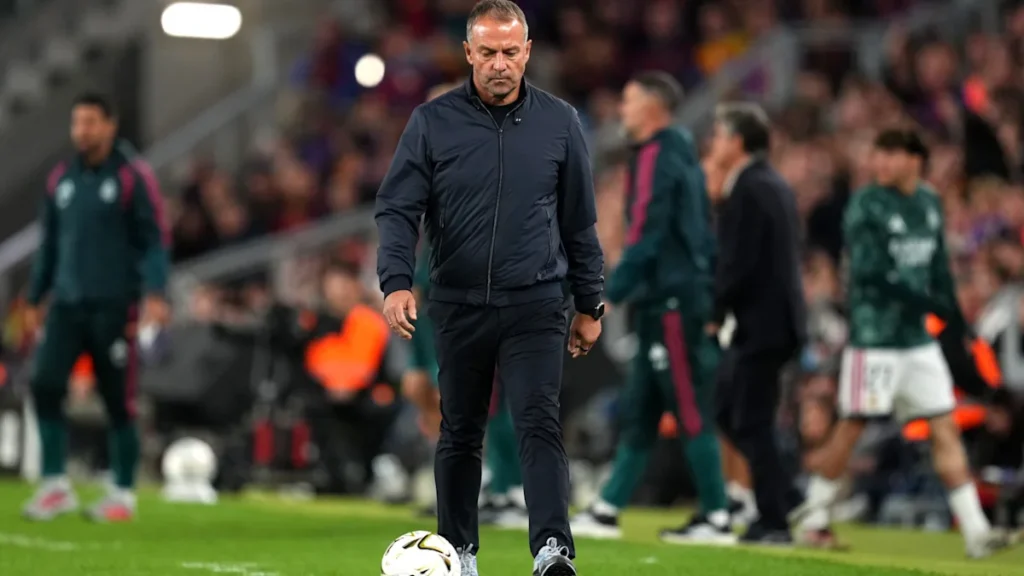
This defeat came in the wake of prior warnings from Paris Saint-Germain, who had similarly exploited Barcelona’s defensive flaws in a recent Champions League match. Injuries, particularly to key player Xavi Espart, compounded Barcelona’s troubles, with manager Hansi Flick acknowledging the impact of fatigue on the team’s performance.
Historically, Mourinho has showcased the art of adapting tactics to overcome formidable opponents—a lesson Barcelona must be wary of. Reflecting on past encounters, both teams understand the importance of evolving to maintain success. As Flick strives to keep Barcelona’s aggressive playing style intact, he faces the challenge of ensuring that the team learns from this defeat while safeguarding their core identity.
Barcelona currently sits atop La Liga, and while one loss does not negate a strong start to the season, both the matches against Madrid and PSG serve as critical touchpoints for their evolution. Adapting to the growing capabilities of their rivals may prove essential for sustaining their lead in the league.