
World Cup Fans Spark Conspiracy Theories After Controversial England-Norway Match
Conspiracy theories often emerge during the high stakes of the World Cup, where every goal, VAR review, and player touch carries significant title implications. Fans whose teams end up on the wrong side of a call frequently look for sinister explanations.
The 2026 World Cup has already provided plenty of fuel for online debate, including overturned red cards, late officiating calls, and questionable VAR decisions. Saturday’s England-Norway match introduced a new term for critics: the “Cable of God.”
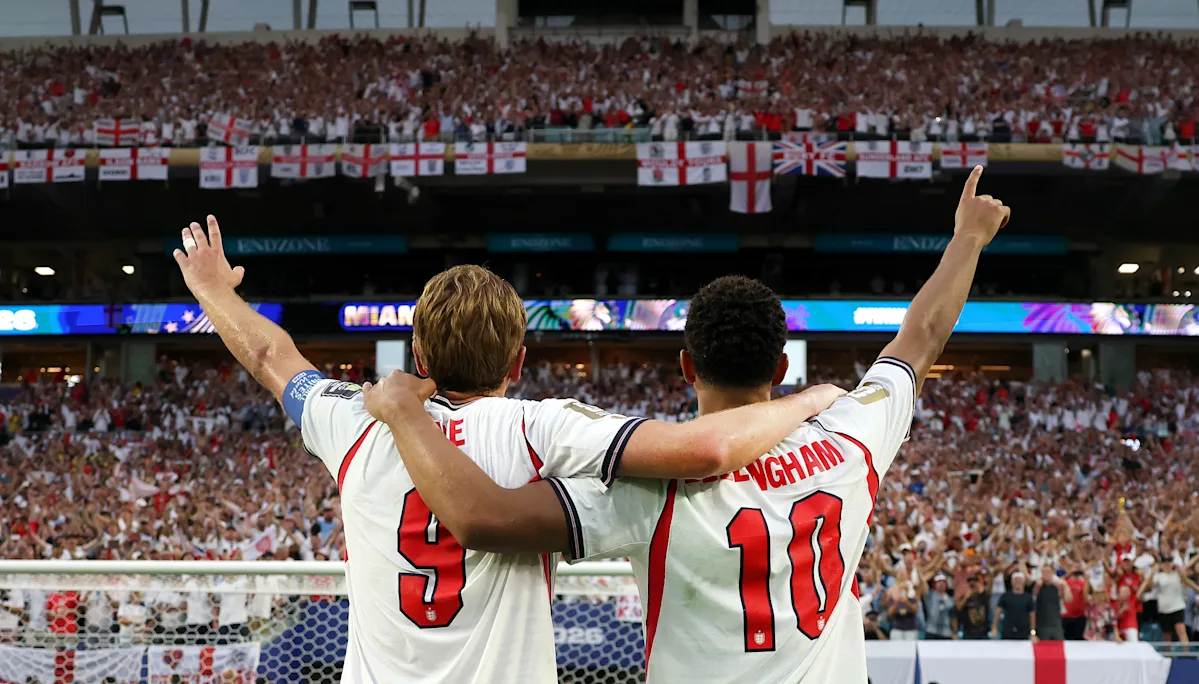
Forty years after Diego Maradona’s infamous “Hand of God” goal against England, this latest moment earned its nickname by potentially involving an overhead camera cable. Late in the first half, Norway held a 1-0 lead thanks to Andreas Schjelderup. Shortly after, England surged forward, and Jude Bellingham struck a magnificent equalizer. However, the goal quickly became a point of contention.
TV replays appeared to show Norway goalkeeper Orjan Nylan’s goal kick clipping an overhead camera cable, causing the ball to drop directly into the path of England’s Elliot Anderson. Since the officials did not halt play, the goal stood.
Norway’s coaches immediately protested the decision. Norway assistant coach Kent Bergersen told Norway’s TV2 at the half that the ball hit the wire, changed direction, and traveled a shorter distance than expected. He argued that the referee should have reviewed the incident, noting that his team simply had to grit their teeth.
FIFA later contended in a social media post that sensors in the ball “showed no peak in the ‘heartbeat of the ball’ when in the air, and therefore no evidence that the ball touched the overhead wire and changed the movement of the ball.”
England manager Thomas Tuchel said after the match that he had not seen the incident, but he acknowledged that his team benefited from key moments. Tuchel explained that teams need moments of luck to succeed in such matches.
Eleven minutes into the second half, Norway appeared to regain the lead when Torbjørn Heggem scored off a corner kick. However, a VAR review intervened, ruling that Erling Haaland had shoved Elliot Anderson while jostling for position. The officials disallowed the goal.
The match also featured other contentious officiating decisions. England had a goal disallowed late in the first half when Harry Kane punched the ball into the net while offside. Additionally, officials denied an England penalty claim after a video review determined that Djed Spence was not actually tripped in the box.
The current use of VAR has established a standard where even the slightest contact is subject to intense scrutiny. Because technology can analyze plays on a molecular level, any uncalled mistake—such as a ball striking a cable—inevitably invites scrutiny from those who feel wronged.
Norway had multiple chances to secure a win but failed to score a second legitimate goal over the course of 120-plus minutes. Erling Haaland, who performed dominantly throughout the tournament, remained largely invisible during the match, recording only two shots with one on target. While this tournament represents a high point for Norway’s national team, the debated moments from Saturday’s match remain a lingering point of frustration for their supporters.