
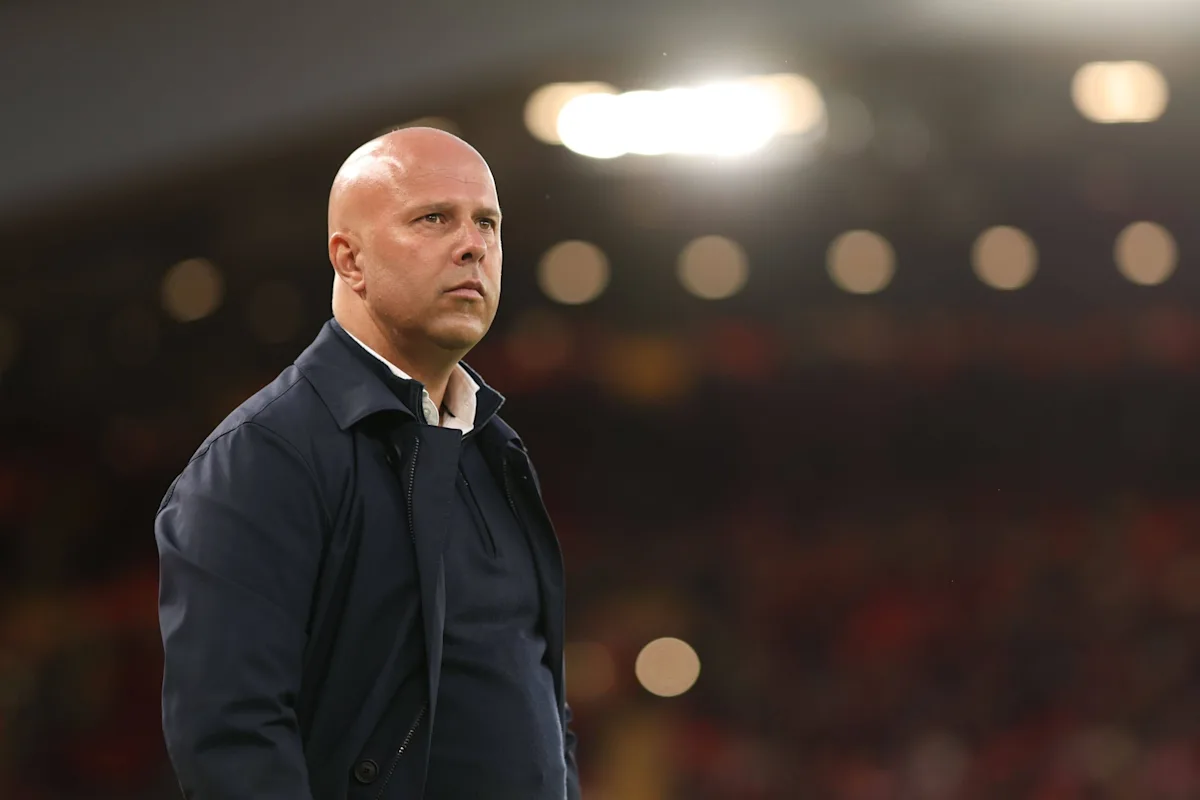
Liverpool Faces Scrutiny Following Arne Slot’s Departure
The line between holding a manager accountable and subjecting him to abuse became blurred during the final weeks of Arne Slot’s tenure at Liverpool. Former player Paul Ince criticized the treatment directed at the Dutch manager, calling it “bang out of order.”
Advertisement
In comments made to Empire of the Kop, Ince’s comments highlighted the noise surrounding Anfield before Slot was ultimately let go at the end of May. Liverpool’s decline from Premier League champions to a fifth-place finish raised eyebrows. While such a drop warranted scrutiny, it did not justify the vitriol that ensued.
Criticism vs. Abuse: Slot Deserved Better
Slot’s second season ended poorly. Results faltered, performances lagged, and watching the team became increasingly tedious. Liverpool’s play felt lackluster and uninspired, leaving fans frustrated and audible in their discontent during matches.
This frustration stemmed from a sense of awareness among supporters. They recognized when a team is struggling, and the glow of past triumphs can dim swiftly with deteriorating standards. However, it’s crucial to remember the circumstances Slot faced after taking over from a transformative figure. His first-year success in winning the Premier League should not be overlooked, even as the subsequent season fell apart.
Advertisement
Ince reflected this sentiment, stating, “I actually felt for Slot. I really, really did. The way he was treated was bang out of order.” This commentary emphasizes that while tactical criticism is a part of coaching, personal attacks are unacceptable.
Photo: IMAGO
Club’s Decision to Move Forward Justified
That said, Liverpool made the right decision in changing direction. A manager must sometimes be moved on when the relationship with the team reaches its limit, and the club’s performances reflected a sense of stagnation. Losing 19 matches across all competitions illustrated the issues at hand, both in the atmosphere and on the pitch.
Advertisement
Slot’s methods no longer seemed effective, leaving doubts about the team’s path forward. The energy in the squad dwindled, and trust diminished. At a club of Liverpool’s stature, difficult decisions must be made without sentimentality. The hiring of Andoni Iraola signified the end of one cycle and the start of another.
Appreciating Premier League Achievements
Despite the recent turmoil, Slot deserves recognition for securing a Premier League title. This honor holds significant weight, and dismissing it as mere luck with inherited talent overlooks the realities of football management. A manager contributes to a team’s mentality, responsibility, and momentum. Slot’s imprint on a championship side should not be forgotten, even if his subsequent tenure saw a decline.
Liverpool must acknowledge two facts. Slot was rightfully let go after a disappointing season, yet he warranted better treatment than what some fans displayed. These separate judgments pertain to the sport and to decency. The club acted in its best interest, but supporters should avoid rewriting history out of disappointment. Early failures don’t erase initial successes.
Advertisement
A Balanced Perspective on Slot’s Tenure
Many Liverpool fans may contest this view. While no one supports crossing the line into personal abuse—something no decent fan endorses—there remains a risk in softening Slot’s final year into a narrative of misfortune instead of the reality of failure. This was not an isolated blip; it was a significant downturn.
Fans invested time and emotion in watching a team that often appeared hesitant, stale, and lacking in ideas. The outcry from the stands stemmed from a genuine concern regarding recurring issues, with little indication that Slot had a plan to address them. The urgency and vigor expected from Liverpool were noticeably absent.
Advertisement
Winning the Premier League in the 2024-25 season earned Slot respect, but for Liverpool supporters, past achievements do not buy unlimited patience when current performances slip. Fans have the right to demand more than uninspired possession-based play; they are entitled to express dissatisfaction when standards fall.
Therefore, while Ince rightly criticized the personal nature of the attacks against Slot, some of the worry surrounding the assessment of his performance misses the fundamental issue. The need for change arose from Liverpool’s declining trajectory rather than a minor hiccup. Ultimately, the club acted responsibly to prevent further deterioration.