
Wayne Rooney Critiques England’s Tactics as Argentina Advances to World Cup Final
Former England captain Wayne Rooney stated that the Three Lions “didn’t know what to do” after taking the lead against Argentina, as the defending World Cup 2026 champions came from behind to secure their spot in the final.
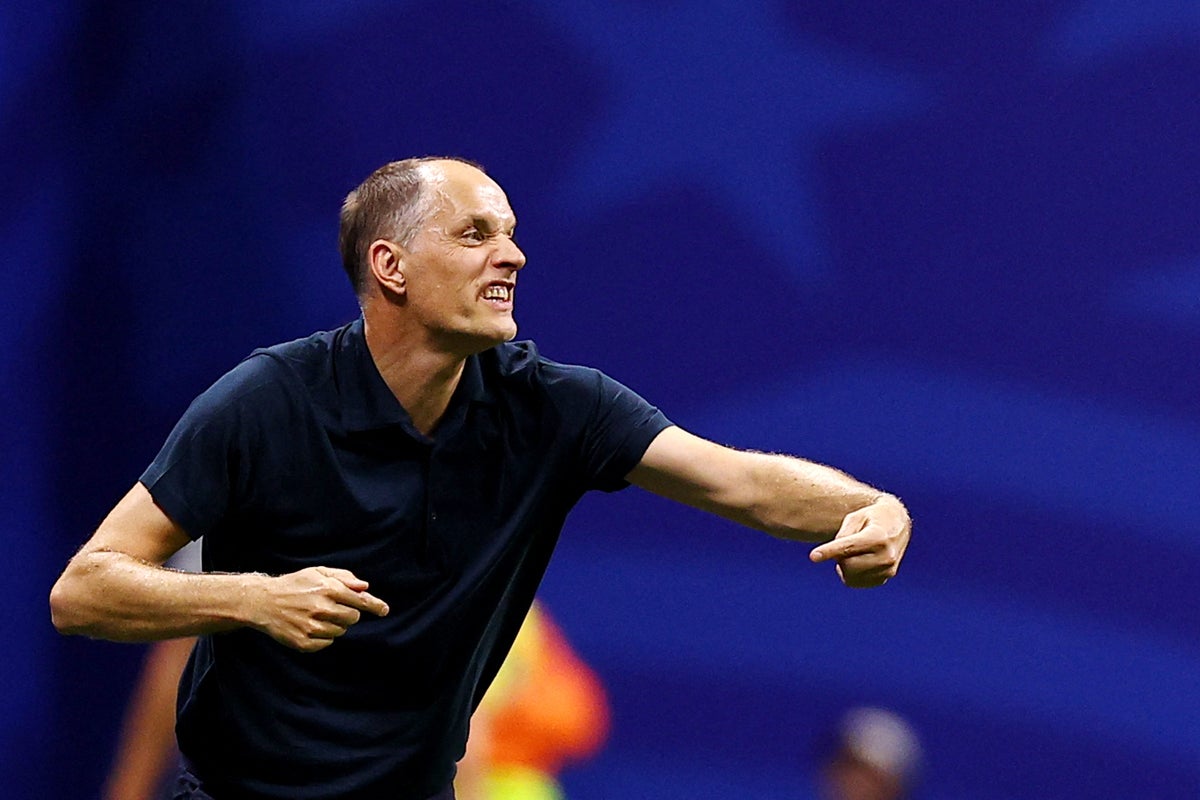
Anthony Gordon’s second-half goal had given England hope for a first men’s World Cup final in 60 years. However, a series of defensive substitutions by head coach Thomas Tuchel allowed Argentina to take control of the match.
In contrast, Argentina remained composed. Led by Lionel Messi, the team had managed to advance through a series of tight encounters and completed another comeback with goals from Enzo Fernandez and Lautaro Martinez.
(Reuters)
Tuchel faced immediate scrutiny following the match, reminiscent of England’s previous defeats in the 2018 World Cup semi-final against Croatia and the Euro 2020 final against Italy where they also lost after taking an early lead.
“Gareth Southgate took a lot of criticism for the big moments with England, when they had the lead in big games and shutting up shop,” said former England goalkeeper Joe Hart on the BBC. “I don’t see that anything has changed in that big moment out there.
Advertisement
“For as much praise as we have given Thomas Tuchel, for him to change it as soon as he did, that is him saying he didn’t believe in his team, that he didn’t think they could land any more punches on Argentina.”
What were Thomas Tuchel’s changes?
Tuchel’s first adjustment came on 72 minutes, when he substituted goalscorer Anthony Gordon for defender Ezri Konsa, transitioning England to a back-five formation.
At that moment, England was already weathering continuous pressure from Argentina, who ramped up their efforts with attacking substitutions, including the introductions of Nico Gonzalez, Rodrigo De Paul, and eventually Lautaro Martinez.
Advertisement
A double substitution from Tuchel followed on 82 minutes, bringing in Dan Burn and Nico O’Reilly for midfielder Declan Rice and injured full-back Reece James, resulting in six defenders on the field for England.

Kane said England holding on to 1-0 was ‘not enough’ at his level (Getty)
In the 85th minute, Fernandez’s equalizer struck at the heart of England’s confidence, followed by Martinez’s winning goal in the second minute of nine added. Marcus Rashford and Ivan Toney were introduced as a last-ditch effort.
England’s strategy mirrored their defensive changes in a previous match against Mexico in the last-16, where they dropped deep after being reduced to 10 men. However, this time it wasn’t sufficient, leading captain Harry Kane to suggest a need for greater ambition.
Advertisement
“Gutted for the boys, gutted for everyone – the team, the staff, the fans,” Kane expressed. “We played a good game for the majority of it. When we went 1-0 up we seemed to try and hold on, which at this level is not enough.”
‘We didn’t know what to do’
Wayne Rooney criticized England’s response after taking the lead, attributing the team’s “crumble” to Tuchel’s overly cautious approach. “After our first goal, we didn’t look to go for the second goal. The decision made by Thomas Tuchel was a gamble,” he remarked.
“The gamble to switch to five at the back allowed Argentina to dictate the tempo. Tuchel’s decisions cost us the match tonight.”
Advertisement
Micah Richards noted that Tuchel was recruited to elevate England’s performance, yet the same issues at the end of major tournaments appeared once again.
“Thomas Tuchel was brought in to be the difference,” Richards stated. “Tactically, we all thought he got it wrong today with the move to five at the back. I believed we could have maintained momentum and introduced wingers. Ultimately, we didn’t find the answers.”

(Getty)
What did Thomas Tuchel say?
Thomas Tuchel said he had “no regrets” despite the team’s failure, although he acknowledged that England became overly “passive” after taking the lead. England managed just 12 percent of possession after scoring and Tuchel accepted accountability but denied any “structural problem.”
Advertisement
“I also made offensive substitutions in previous matches; we just aimed to support the players. We immediately conceded a chance, prompting the decision to switch to a back five to address open gaps,” he told the BBC.
“They won every header and kept crossing, so we transitioned to a back five to tighten the gaps and bolster our aerial strength. After we scored, we conceded too many crosses and chances, leading us to adapt.”

(Getty)
“Clearly, we aimed for a second goal, but I didn’t sense that offensive substitutions would be effective. We maintained our 4-4-2 setup, but became increasingly passive. We couldn’t regain possession, thus affecting our performance. The match altered drastically after our goal.”
“I understand that there are many discussions and coaches who think they know better after the game,” he added.