
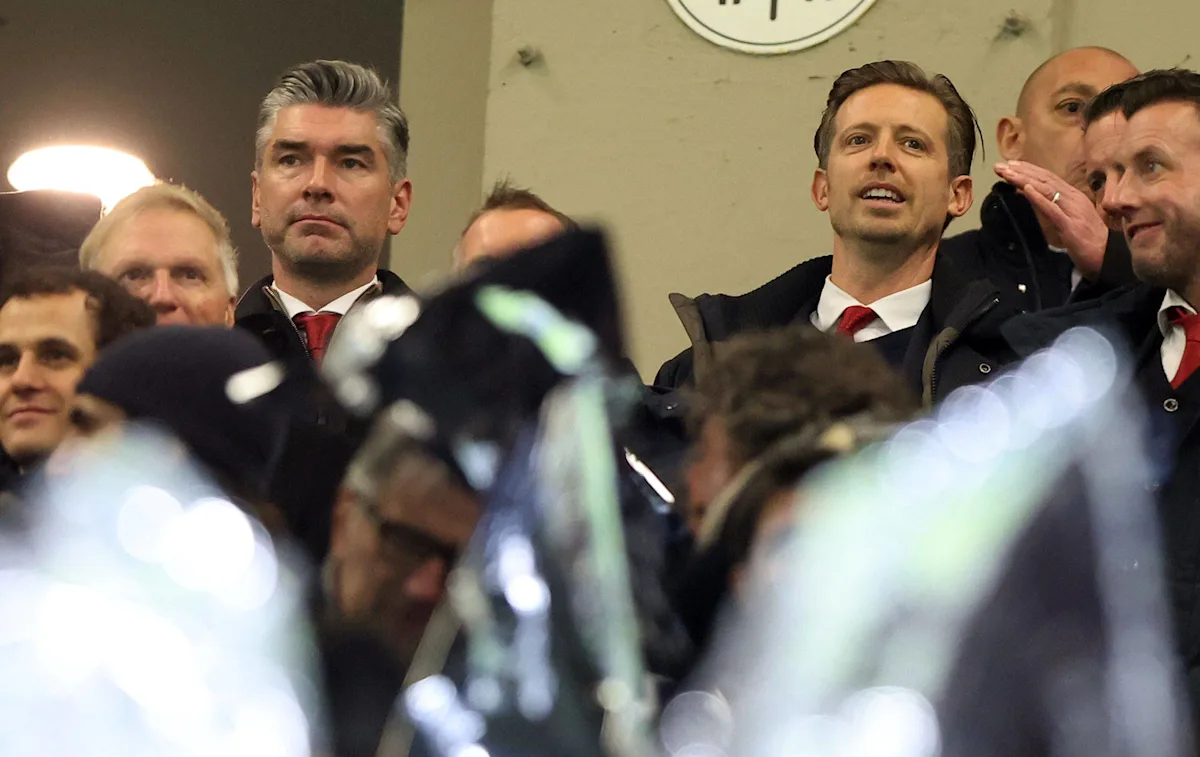
Michael Edwards Exit Leaves Liverpool Facing Big Decisions Over Salah Successor and Structure
Liverpool Football Club faces a significant transition as Michael Edwards prepares to leave once again. Having returned in March 2024 to assist the club through the period following Jürgen Klopp’s departure, Edwards concludes his tenure two years into a three-year contract. While his primary objective of managing the post-Klopp transition is complete, his broader role within Fenway Sports Group (FSG) has taken a different path.
In his official statement, Edwards noted that Liverpool remains in a strong position, supported by talented people and a clear strategic direction. He expressed excitement about the opportunity to help guide the club through a crucial transitional period and to contribute to the wider football ambitions of FSG. He acknowledged that while the project evolved differently than initially planned, he takes pride in the range of options his team presented to the ownership for the club’s future.
Michael Edwards departure shifts focus
This development highlights the importance of executive stability at Anfield. FSG brought Edwards back due to his proven track record and the high level of trust established during his previous stint. First joining in 2011 and becoming sporting director in 2016, Edwards played a pivotal role in constructing the squad that secured the club’s first league title in 30 years in 2020 before his initial departure in 2022.
Edwards was instrumental in many of Liverpool’s most successful transfer decisions, including the acquisitions of Mohamed Salah, Roberto Firmino, Sadio Mané, Andy Robertson, and Virgil van Dijk. His exit adds complexity to the club’s summer priorities, particularly as Liverpool looks to replace Salah following his departure at the end of last season.
Liverpool transfer strategy under scrutiny
Speculation is also mounting regarding the future of sporting director Richard Hughes. Should he also leave, Liverpool would face a significant restructuring of its football operations. Such uncertainty is far from ideal as the club prepares for a season requiring major decisions regarding the squad.
For the ownership, the priority is to establish clarity and direction immediately. Liverpool must avoid a period of drift while simultaneously addressing succession planning in both the boardroom and on the pitch.
FSG football structure faces next test
Mike Gordon expressed that the ownership group is disappointed by the decision. He said: “Michael has made an extraordinary contribution to Liverpool Football Club and Fenway Sports Group throughout his time with our organization.
“When Michael returned in 2024, he did so at a pivotal moment for Liverpool, embracing a broader leadership role across our football interests in the process.
“Throughout both periods he has consistently demonstrated exceptional judgement, integrity and an unwavering commitment to building a strong football organisation for the long term.
“His return to the organization saw Liverpool successfully navigate a significant period of transition before securing the club’s historic 20th English league title, an achievement to which Michael made an important contribution.
“While we are naturally disappointed to see him leave, we will always be grateful for everything he has given. On behalf of John Henry, Tom Werner and everyone at Fenway Sports Group, I would like to thank Michael for his outstanding service, friendship and leadership, and wish him and his family every success and happiness in the future.”
Edwards departs with his reputation untarnished. While Liverpool remains in a strong position, executive gaps can quickly undermine stability. Addressing the void left by Salah’s exit is difficult enough, but the need to maintain leadership certainty makes the challenge even greater.